In short
- Wear lightweight, modest clothing covering shoulders and knees.
- Pack a warm fleece, as winter nights drop to 15°C.
- Bring closed-toe shoes for walking on hot sand.
In this article
Choosing the right clothing for Wahiba Sands ensures you stay comfortable and respect local customs. Temperatures exceed 40°C in the summer but drop significantly at night. Knowing exactly what to pack keeps you safe from the sun and warm after dark.
What should you wear in the Oman desert?
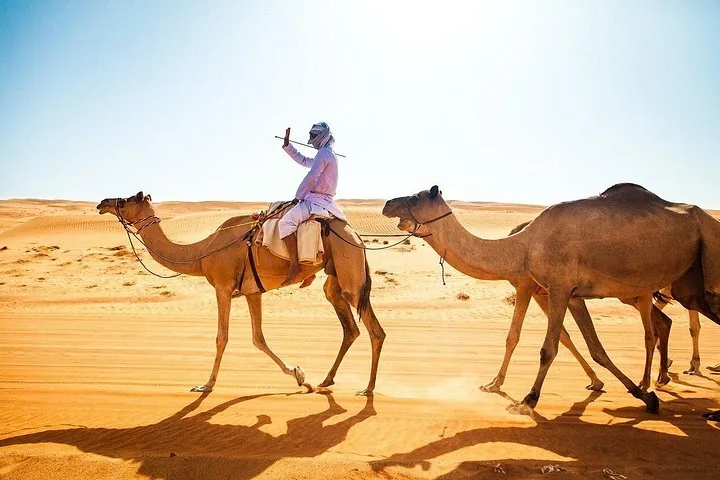
Wear lightweight, loose-fitting clothing that covers your shoulders and knees.
Modest dress shows respect for local Bedouin culture. Long sleeves and trousers also protect your skin from intense UV rays. Bring a lightweight scarf to shield your face from the sun and dust.
How do you dress for desert nights?
Pack a warm fleece or jacket for the evening.
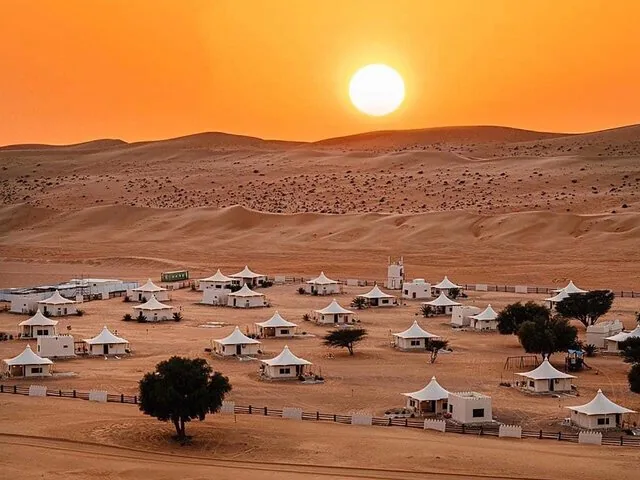
Temperatures in the desert drop rapidly after sunset. Winter nights can cool down to 15°C. You will need heavier layers while stargazing or sitting around the campfire.

What shoes are best for climbing dunes?
Bring closed-toe walking shoes for dune climbing.
The sand gets extremely hot during the day. Closed-toe shoes protect your feet from the heat. They also provide better grip when you climb the steep 100-meter sand ridges.

What gear should you pack for an overnight camp?
Pack a headlamp or torch and a reusable water bottle.
Desert camps often have low lighting. A headlamp helps you navigate the paths safely in the dark. Bring electrolyte sachets to add to your water for hydration during hot days.
How do you protect yourself from the desert sun?
Bring high SPF sunscreen (SPF 30-50) and a wide-brim hat.
The desert glare is harsh. Pack UV sunglasses to protect your eyes. Apply sunscreen regularly, even if you spend most of the day inside an air-conditioned 4WD vehicle.
What extra equipment do self-drivers need?
Pack a portable air compressor and a tire pressure gauge.
A 4WD vehicle is absolutely required to enter the dunes. You must deflate your tires to 15-20 psi (1.0-1.5 bar) before leaving the tarmac. A gauge helps you measure this accurately.
Questions travellers ask
Do you need a 4x4 to visit Wahiba Sands?
Yes, a 4WD vehicle is strictly mandatory to enter the sand tracks off the main paved roads. Do not attempt to drive into the desert in a 2WD vehicle.
When is the best time to visit Wahiba Sands?
October to April is the best time to visit. These months offer comfortable daytime temperatures and cool nights, making it ideal for outdoor activities.
What is there to do in the Wahiba Sands dunes?
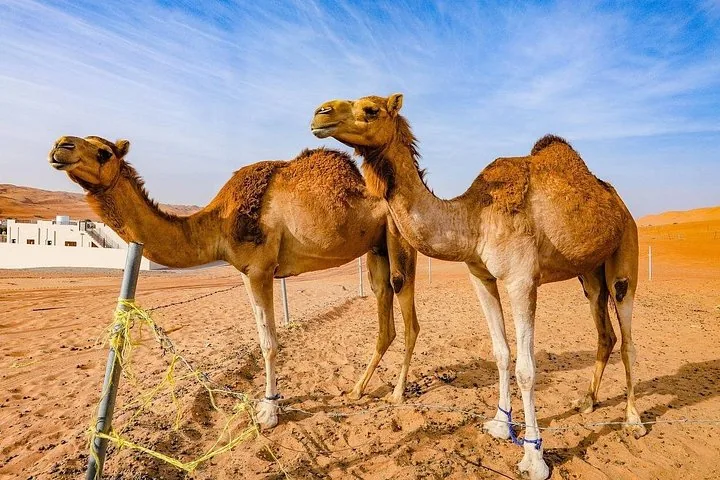
Popular activities include thrilling 4WD dune bashing, sunset camel rides, and sandboarding. Visitors also enjoy overnight stays in desert camps and stargazing in dark valleys.