
In short
- Wahiba Sands covers 12,500 square kilometers.
- It is located 200 kilometers from Muscat (a 2.5 to 3-hour drive).
- The region features longitudinal dunes up to 100 meters high.
In this article
Choosing which desert to visit depends on your schedule and vehicle. Wahiba Sands offers a concentrated desert experience close to the capital. It hosts established camps and clear access routes via Bidiyah and Al Wasil.
What is the difference in size?
Wahiba Sands is a compact desert covering approximately 12,500 square kilometers (4,800 sq mi).
Wahiba Sands stretches roughly 180 kilometers from north to south and 80 kilometers from east to west. This makes it easy to explore on a short trip. You can reach the main camps without driving for days.
Which desert is closer to Muscat?
Wahiba Sands is about 200 kilometers southeast of Muscat.
The drive takes 2.5 to 3 hours via the coastal or interior highway. You arrive at gateway towns like Bidiyah or Al Wasil. From there, you enter the sand tracks.
What do the dunes look like in Wahiba Sands?
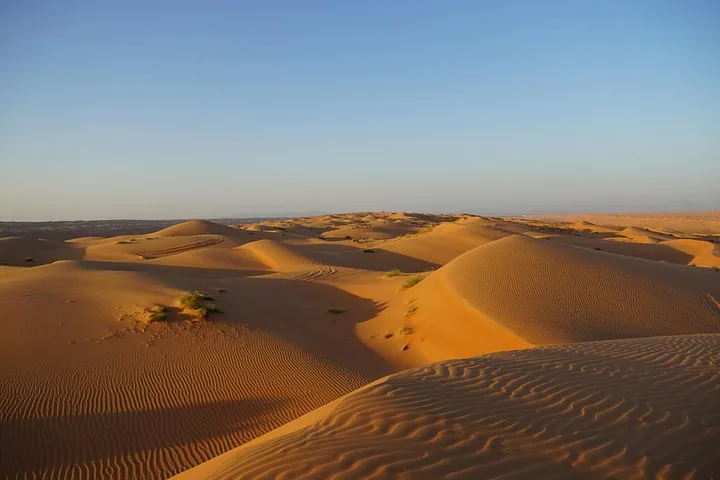
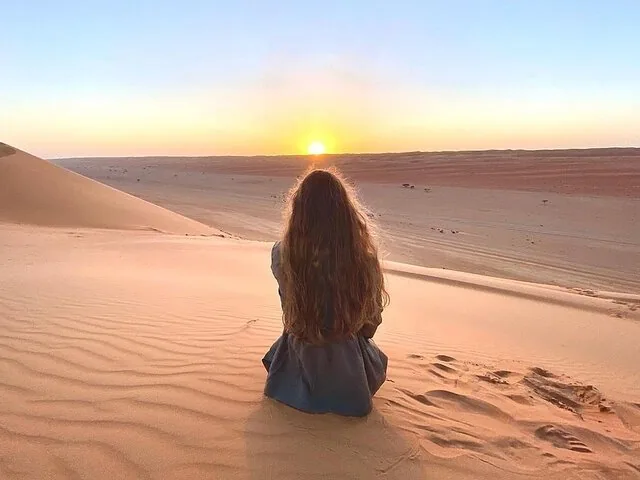
Wahiba Sands features massive longitudinal sand dunes.
These ridges can reach up to 100 meters in height. The sand color shifts from pale gold to deep copper. High dune crests provide excellent vantage points for sunset viewing.
Are there camps and facilities?
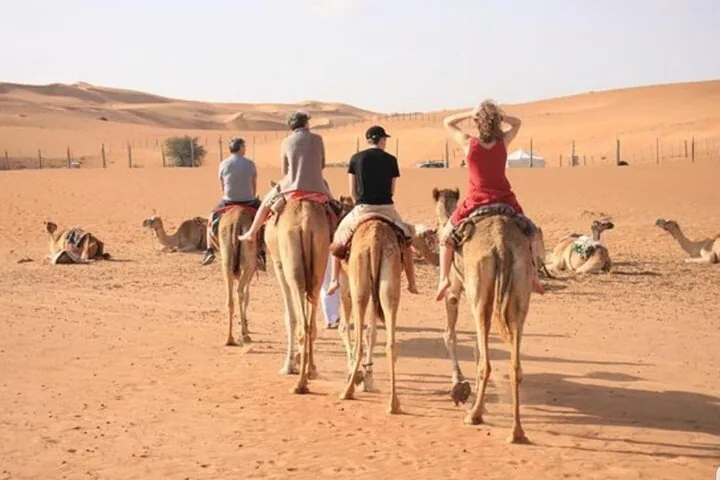
Wahiba Sands has a wide range of tourist and Bedouin camps.
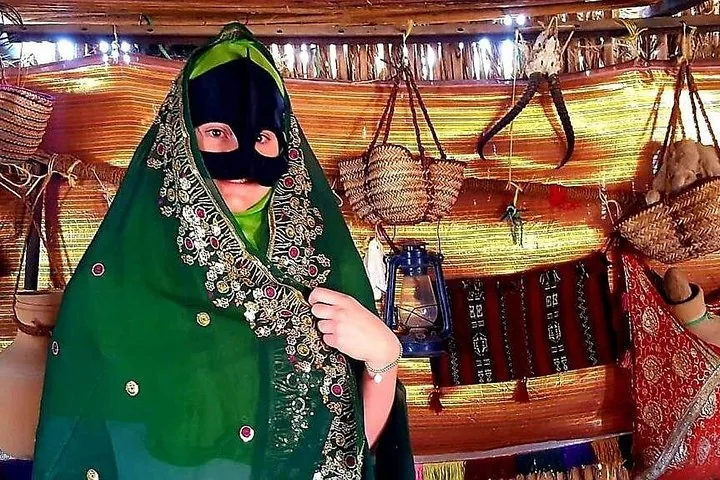
Options range from luxury desert resorts with air-conditioned tents to traditional eco-camps. The desert is the traditional home of the Bedouin tribes. Visitors can access these settlements via compacted tracks from the villages.
Do you need a guide for Wahiba Sands?
You do not strictly need a guide, but a 4WD vehicle is mandatory.
Rules require you to deflate your tires to 15-20 psi (1.0-1.5 bar) before leaving the tarmac. Local garages in Bidiyah offer this service. Never drive into the deep desert alone; always travel in a convoy of at least two vehicles.
What wildlife lives in the sand?
Wahiba Sands supports a significant amount of wildlife.
Scientific expeditions have documented 16,000 invertebrates in this desert. They also recorded over 200 other species of wildlife living among the dunes.
Questions travellers ask
How many days do you need in Wahiba Sands?
A minimum 1-night stay is recommended. This allows you to experience both the sunset over the dunes and the dark night sky.
Do you need a 4x4 to visit Wahiba Sands?
Yes, a 4WD vehicle is strictly mandatory to enter the sand tracks off the main paved roads. Do not attempt the drive in a 2WD vehicle.
When is the best time to visit Wahiba Sands?
October to April is the best time to visit. This period offers comfortable daytime temperatures and cool nights, which can drop to 15°C.